Golf is often portrayed as a solitary pursuit—a player against the course, the elements, and their own nerves. But on a rain-softened Sunday in Georgia, the story wasn’t about isolation. It was about brotherhood, sacrifice, and shared ambition. Alex Fitzpatrick didn’t just earn his PGA Tour card—he did it with his older brother Michael caddying, a partnership forged in backyard practice sessions, sleepless nights, and unshakable belief.
The moment Alex drained the final putt to seal his place, Michael dropped the flagstick, clutched his face, and wept. Cameras caught the embrace that followed—raw, unscripted, and deeply human. This wasn’t just a professional milestone. It was an emotional crescendo years in the making.
A Family Legacy Rooted in Dedication
The Fitzpatrick name carries weight in British golf. Matthew Fitzpatrick, Alex’s older brother by six years, has been a consistent force on both the PGA and DP World Tours, with major championship pedigree and multiple wins. Growing up in Sheffield, Alex wasn’t just inspired—he was immersed.
But inspiration doesn’t guarantee success. What set Alex apart was the deliberate support system built around him—most notably, Michael’s decision to step into the role of full-time caddie.
Michael, a former collegiate golfer at Northwestern, gave up his own professional aspirations to manage logistics, yardages, and, most importantly, mindset. “There’s a difference between a caddie and a brother-caddie,” Michael said in a post-round interview. “I’m not just reading slopes. I’m reading his breath, his walk, the way he grips the club when he’s tense.”
That kind of intimate awareness can’t be trained. It’s inherited.
Michael’s Role: More Than Just a Bag Man
Caddying for a family member at this level is high-wire work. One misread, one poorly timed suggestion, and trust erodes. But Michael’s approach has been rooted in balance—professionalism on the course, brotherhood off it.
- Pre-round rituals: The duo review course conditions over coffee, avoiding technical jargon in favor of visualizations and emotional check-ins.
- In-round communication: Michael uses coded language—“same as No. 4” or “trust your tempo”—to keep feedback subtle and stress-free.
- Post-round debriefs: They separate performance from identity. “We talk about shots, not self-worth,” Alex explained.
This structure insulated Alex during the Korn Ferry Tour Finals, where consistency separates tour cards from heartbreak.
In one pivotal round at Victoria National, Alex pulled his tee shot on the 12th into thick rough. Most players would panic. Instead, Michael reminded him: “Remember Brookline? You got up and down from worse.” He did—and made par. That one hole kept him inside the top five, a position he maintained through the weekend.
The Korn Ferry Tour: A Crucible for Champions
The Korn Ferry Tour isn’t merely a stepping stone—it’s a psychological grinder. Only the top 30 finishers across the Finals earn PGA Tour cards. The pressure isn’t just physical; it’s financial, emotional, and existential.
Alex entered the Finals ranked No. 38. One bad round could end everything.
Week one: solid but unspectacular (T21). Week two: disaster (missed cut). The dream was slipping. Then came the third event at Prosperity Bank Championship—where everything changed.
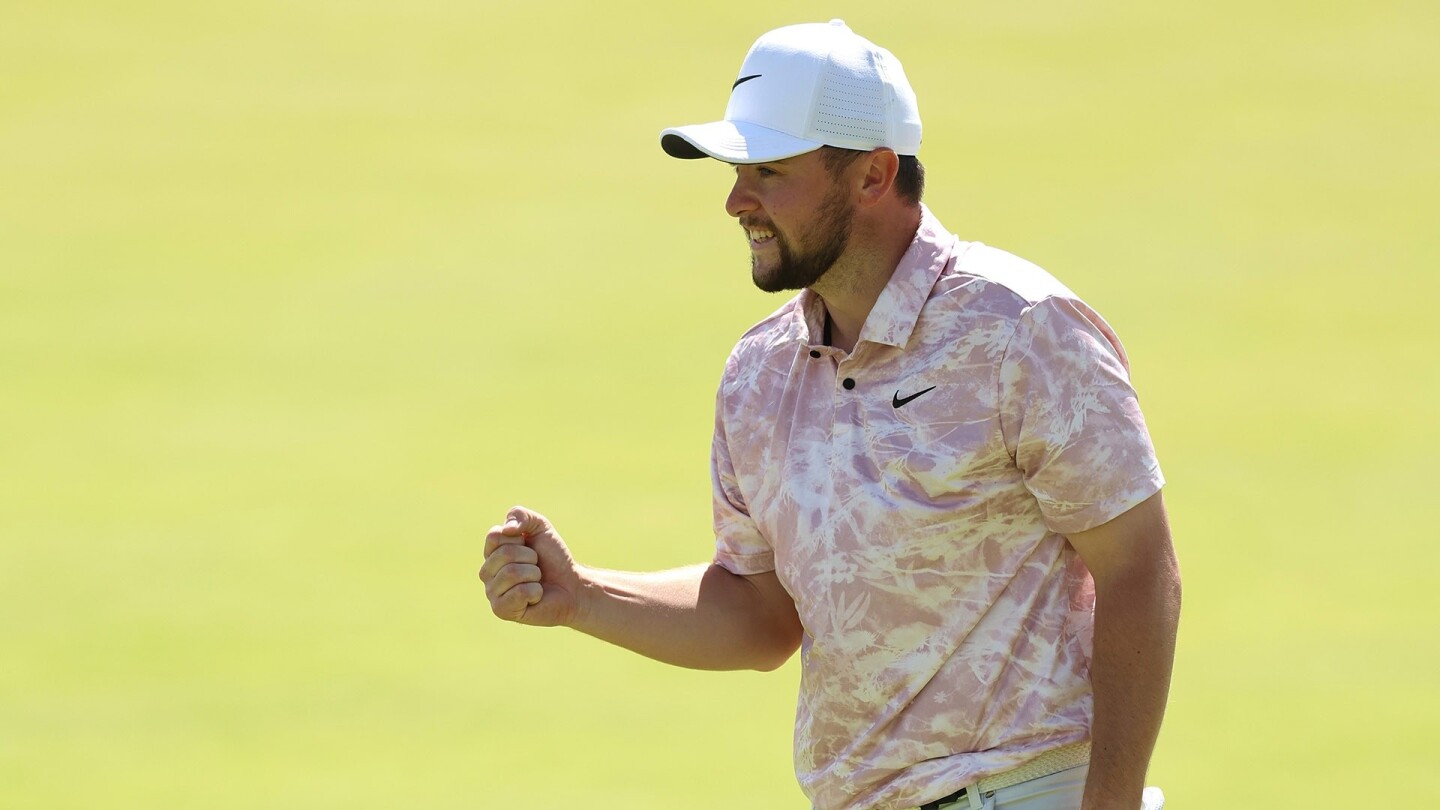
Drawing on his brother’s calm, Alex opened with rounds of 66-67. Michael had adjusted their game plan: less aggression off the tee, more precision with mid-irons. “We stopped chasing birdies and started protecting pars,” Michael said. “That’s how you survive here.”
In the final round, Alex stood on the 18th tee tied for third—exactly where he needed to be. A par would likely secure his card.
The shot wasn’t perfect—a 7-iron that landed in the front bunker. But the escape was textbook. The putt, straight and true. As it dropped, the brothers met at the edge of the green, silent at first, then overcome.
The Weight of a Tour Card
For most golfers, earning a PGA Tour card is validation. For Alex, it’s also vindication.
Early in his career, comparisons to Matthew were constant—and often crushing. “People would ask, ‘When are you going to win a major like your brother?’” Alex recalled. “It wasn’t fair, but I understand it. I just wanted to be judged for my own journey.”
Now, he will be.
With his card secured, Alex gains access to: - 25+ PGA Tour events per season - Exemption from qualifying for signature events (based on performance) - Eligibility for FedEx Cup points, bonuses, and sponsor invites - A platform to build personal sponsorships and media presence
But more than stats, he gains autonomy. No more living out of suitcases on secondary tours. No more stress over entry fees or flight costs. His career is no longer a gamble—it’s a trajectory.
Beyond the Moment: What’s Next for Alex?
The immediate focus is adaptation. The PGA Tour is faster, deeper, and more competitive than the Korn Ferry circuit. Alex’s game has strengths—iron play, short game, mental resilience—but he’ll need to evolve.
Areas to monitor: - Driving distance: Averaging 290 yards, he’s slightly below tour median. Increased strength training may be necessary. - Putt setup consistency: His stroke varies under pressure. Working with a putting coach could yield quick gains. - Travel & recovery: With Michael still on the bag, their off-course routine—sleep, nutrition, downtime—must be optimized.
Sponsorship opportunities are already emerging. A UK-based tech startup recently signed him for a two-year brand ambassador role, drawn to his “relatable grind” narrative.
And then there’s the elephant in the room: potential sibling rivalry with Matthew. But both brothers dismiss it.
“He’s my biggest supporter,” Alex said. “We text after every round—good or bad. He doesn’t care if I surpass him. He just wants me to be happy.”
The Emotional Power of Shared Success
What makes this story resonate beyond golf is its emotional core. In an era of hyper-professionalized sports, where caddies are hired guns and athletes outsource their mental health, the Fitzpatrick brothers represent something rarer: authenticity.

Their victory wasn’t just about rankings or resumes. It was about: - A brother sacrificing his own dreams to lift another - A family that measured success in effort, not trophies - A young man who refused to break under comparison
That kind of narrative cuts through the noise. It’s why fans stood and cheered as Alex walked off 18. It’s why the moment went viral on golf forums and mainstream sports outlets alike.
And it’s why this victory feels different. It wasn’t just Alex who earned a tour card. It was a family.
A Blueprint for Aspiring Athletes
For young golfers dreaming of the big stage, the Fitzpatrick story offers practical lessons:
- Build your inner circle wisely: Talent gets you noticed. Trust keeps you steady.
- Define your own success: Comparisons are inevitable—resist internalizing them.
- Embrace incremental progress: Alex didn’t win the Finals. He survived them. That’s often enough.
- Let emotion fuel, not derail: The tears after the final putt weren’t weakness. They were release.
One amateur coach in Yorkshire now uses the Fitzpatrick journey as a case study in his mentorship program. “I show my players that video,” he said. “Not for the golf. For the hug.”
Conclusion: A New Chapter, Fueled by Family
Alex Fitzpatrick’s PGA Tour card is more than a career milestone. It’s a testament to quiet support, relentless belief, and the extraordinary power of family.
As he prepares for his rookie season, one thing is certain: he won’t be walking the fairways alone. Michael will be there—bag on his shoulder, eyes on the shot, heart full of pride.
And when Alex lines up his first PGA Tour putt, the world won’t just see a golfer. They’ll see a brother, stepping forward, finally in his own light.
FAQ
How did Alex Fitzpatrick earn his PGA Tour card? He secured it by finishing in the top 30 of the Korn Ferry Tour Finals, with his brother Michael caddying throughout the series.
Who is Michael Fitzpatrick? Michael is Alex’s older brother and full-time caddie. A former collegiate golfer, he gave up his own pro aspirations to support Alex’s career.
Is Alex related to Matthew Fitzpatrick? Yes—Matthew is Alex’s older brother and a top professional golfer with multiple PGA and DP World Tour wins, including a major.
What role did family play in Alex’s success? Family support was central. Michael’s caddying, emotional grounding, and strategic input were critical during high-pressure moments.
How does the Korn Ferry Tour Finals work? It’s a four-event series where players compete for PGA Tour cards. The top 30 on the cumulative points list earn cards for the following season.
Will Michael continue caddying on the PGA Tour? Yes, Alex has confirmed Michael will remain on his bag as he transitions to the PGA Tour.
What are Alex Fitzpatrick’s strengths as a golfer? He excels in iron play, course management, and short-game precision, with a calm demeanor under pressure.
FAQ
What should you look for in Fitzpatrick Brothers’ Emotional Triumph Secures Alex’s PGA Tour Spot? Focus on relevance, practical value, and how well the solution matches real user intent.
Is Fitzpatrick Brothers’ Emotional Triumph Secures Alex’s PGA Tour Spot suitable for beginners? That depends on the workflow, but a clear step-by-step approach usually makes it easier to start.
How do you compare options around Fitzpatrick Brothers’ Emotional Triumph Secures Alex’s PGA Tour Spot? Compare features, trust signals, limitations, pricing, and ease of implementation.
What mistakes should you avoid? Avoid generic choices, weak validation, and decisions based only on marketing claims.
What is the next best step? Shortlist the most relevant options, validate them quickly, and refine from real-world results.